ALTlogojpeg_edited.jpg)
Security Cameras for Small Businesses - What to Cover First

Updated: Jul 14
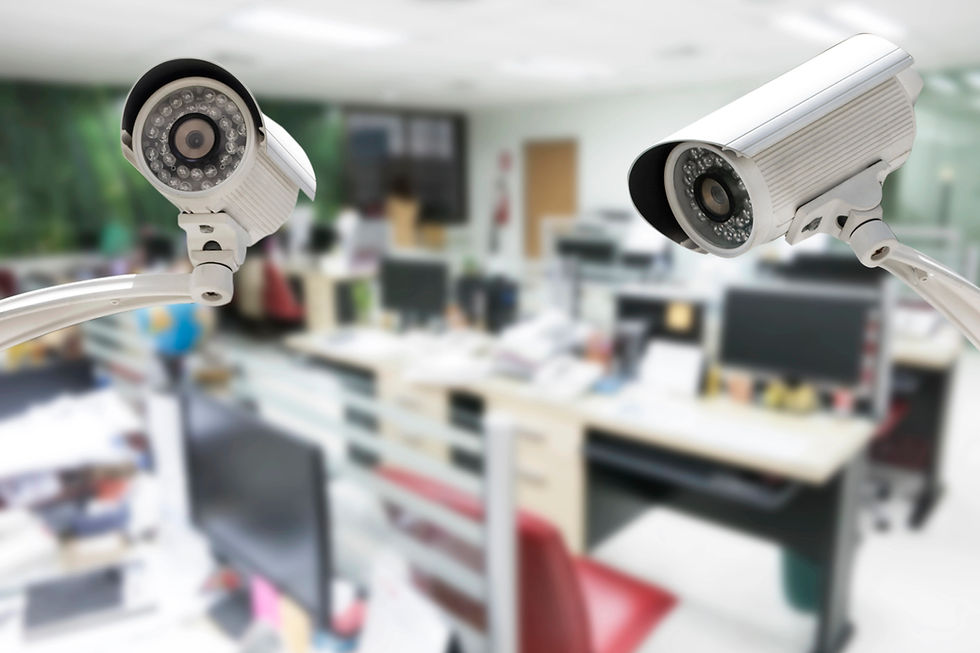
If you are planning a security camera system for your business, the first mistake to avoid is trying to cover everything at once without a strategy. Small business owners often know they need cameras, but they are not always sure where those cameras will make the biggest difference. The right answer is not “everywhere.” It is starting with the areas that protect your people, your property, and your day-to-day operations first.
For many small businesses, security cameras are not just about catching theft after something happens. They also help deter suspicious activity, improve visibility, support employee safety, and give owners more confidence when they are away from the property. A well-planned setup can make your business easier to manage and better protected from common risks.
Why Camera Placement Matters
A security camera system is only as useful as the coverage it provides. If the cameras are placed in the wrong spots, you may still end up with blind areas, weak footage, or missed incidents. That is why the best approach is to think about where problems are most likely to happen and where visibility matters most.
For small businesses, the goal is usually simple: cover the highest-risk areas first, then expand as needed. This gives you better value from the start and helps create a stronger security foundation.
Start With the Main Entrance
The front entrance should almost always be one of the first places you cover. This is the primary access point for customers, staff, vendors, and anyone else entering the property. A camera here helps you monitor traffic, review activity, and keep a record of who came in and out during business hours.
Why the front entrance matters
● It captures foot traffic
● It helps identify visitors and unfamiliar activity
● It supports incident review if a problem happens near the door
● It creates an immediate visual deterrent
If your business has more than one public entrance, each one should be considered part of your priority coverage plan.
Cover the Register or Payment Area
If your business handles in-person payments, the checkout or register area should be high on the list. This is one of the most important places to monitor because it is where cash, transactions, and customer interactions happen.
This area helps you monitor:
● Cash handling
● Disputes at the counter
● Suspicious behavior
● Employee and customer interactions during transactions
For retail shops, convenience stores, salons, service counters, and similar businesses, this area is too important to leave uncovered.
Watch Rear and Side Entrances
Small businesses often focus on the front of the property and forget the back door, side gate, or delivery entrance. That is a weak move. Side and rear entry points are often more vulnerable because they have less visibility from the street and less foot traffic around them.
These areas matter because they can help monitor:
● Unauthorized access
● After-hours entry attempts
● Deliveries and vendor activity
● Employee-only access points
If someone wants to avoid being seen, they usually do not choose the front door.
Monitor Inventory and Storage Areas
If your business keeps products, equipment, tools, or supplies on-site, your stockroom or storage area deserves camera coverage. Theft does not always happen in the showroom. It can happen in back rooms, restricted spaces, and areas where there is less supervision.
Inventory coverage is especially important for:
● Retail stockrooms
● Warehouses
● Supply closets
● Equipment storage rooms
● High-value item areas
This is one of the smartest places to install cameras if your business relies on physical inventory or expensive equipment.
Cover Parking Lots and Exterior Access Points
Even a small parking lot can create security issues. Vehicle break-ins, loitering, vandalism, and suspicious activity often happen outside before they move toward the building. Exterior camera coverage helps extend your visibility beyond the walls of your business.
Outdoor cameras can help monitor:
● Customer and staff parking areas
● Sidewalk access to the building
● Loading zones
● Exterior doors and gates
● After-hours activity around the property
For many businesses, exterior coverage adds an extra layer of protection that supports both security and safety.
Focus on Blind Spots and Low-Visibility Areas
Some of the most important camera locations are the places that are easiest to overlook. Hallways, corners, narrow walkways, stairwells, and isolated sections of the building may not seem urgent at first, but blind spots can become problem areas fast.
A good camera layout should reduce hidden zones wherever possible. This does not mean placing cameras everywhere. It means identifying where someone could move through the property without being clearly seen.
Match Camera Coverage to Your Business Type
Not every small business needs the same setup. A retail store has different risks than an office, salon, warehouse, or restaurant. The best camera plan depends on how the space is used, where customers go, where employees work, and where assets are stored.
Examples:
Retail stores often need coverage at entrances, checkout areas, aisles, and stockrooms. Offices may focus more on entry points, reception areas, server rooms, and parking lots.
Restaurants may prioritize front entrances, registers, dining areas, and back delivery doors. Warehouses may need stronger coverage around loading areas, inventory zones, and restricted-access spaces.
That is why cookie-cutter camera plans are usually a bad fit. A better system is one designed around the way your business actually operates.
Think Beyond Theft
A lot of business owners only think about theft when they install security cameras. That is too narrow. Cameras can also help with safety concerns, customer incidents, property damage, employee accountability, and after-hours monitoring. In many cases, footage becomes valuable because it helps clarify what really happened, not just who stole something.
That broader view is what makes a professionally planned CCTV system more useful in the long run.
When deciding what to cover first, start with the areas that matter most: entrances, payment areas, inventory spaces, exterior access points, and the blind spots that leave your business exposed. A smart security camera system should support your business, reduce risk, and give you clearer visibility where it counts most. The best results come from planning coverage around the layout and daily flow of your space instead of guessing.
If your business is ready for a more reliable CCTV and security camera setup, Low Volt Connect can help you plan the right coverage from the start. Contact Low Volt Connect at (480) 392-5473 to book an appointment.


Comments